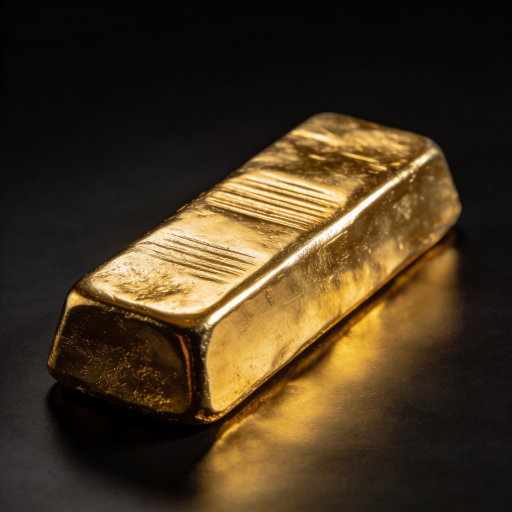

IRA Precious Metals Fineness
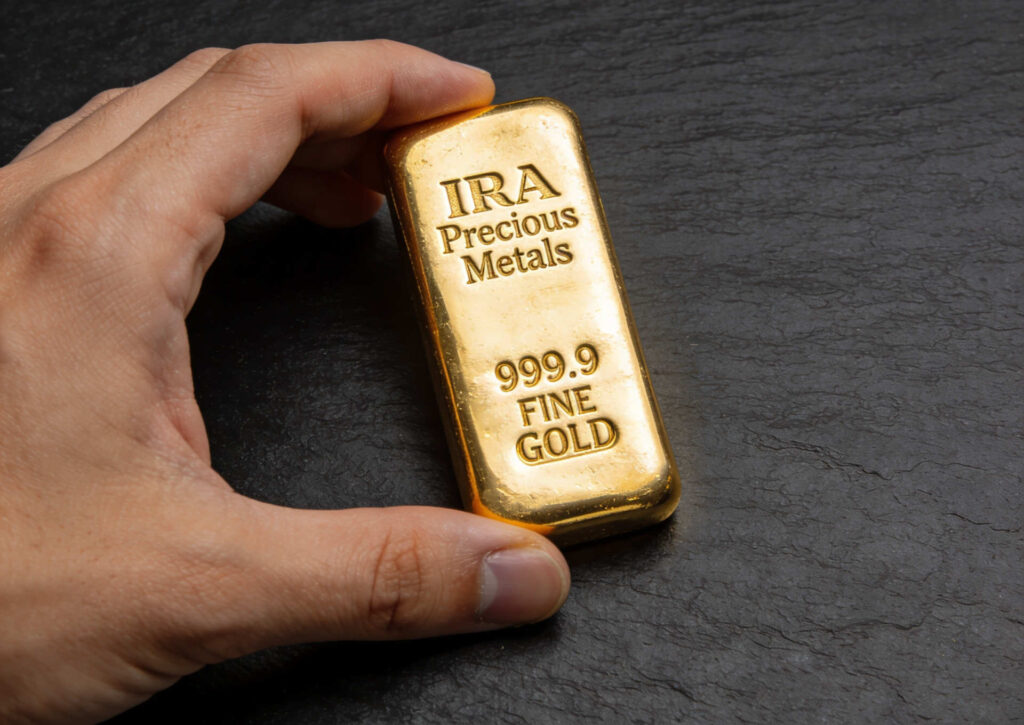
- The IRS requires gold to be at least 99.5% pure, silver 99.9% pure, and platinum and palladium 99.95% pure to qualify for an IRA (Individual Retirement Account).
- The American Gold Eagle coin is the only major exception — it qualifies despite being just 91.67% gold because it is explicitly authorized by federal law.
- Buying a non-approved metal inside your IRA can trigger immediate taxes, a 10% early withdrawal penalty, and even full account disqualification.
- Not all gold or silver coins are IRA-eligible — there is a specific approved list, and one wrong purchase could cost you thousands.
Get this wrong once, and you could owe taxes, penalties, and potentially lose your entire Individual Retirement Account’s (IRA) tax-advantaged status.
Most people assume that buying gold or silver automatically qualifies it for an IRA. That is not how it works. The IRS has a strict set of fineness — or purity — requirements that every precious metal must meet before it can live inside a retirement account. Understanding these rules is not just helpful; it is essential for protecting your savings.
Most Investors Get This Wrong About Precious Metals IRAs
Many investors discover too late that the gold coin they purchased for their IRA doesn’t qualify. Maybe it was a collectible. Maybe it didn’t hit the purity threshold. Either way, the IRS treats that purchase as a distribution — and the tax bill arrives fast.
The rules around precious metals IRAs are more specific than most financial content lets on. It is not enough to simply buy gold, silver, platinum, or palladium. Every single product must meet a defined fineness standard, come in an approved form, and be stored by an IRS-approved custodian. There is no gray area.
What “Fineness” Actually Means for Your IRA
Fineness is the measure of how much pure metal is present in a coin or bar, expressed as a decimal or parts per thousand. A gold bar with a fineness of .995 contains 995 parts pure gold out of 1,000. The higher the fineness, the purer the metal — and the IRS uses fineness as its primary filter for what qualifies inside a retirement account.
This is different from the karat system used in jewelry. 24-karat gold is 99.9% pure, while 22-karat gold is about 91.7% pure. Most IRA-eligible bullion operates in the 99.5% to 99.99% range, which is well above what you would find in everyday jewelry or decorative coins.
Why the IRS Sets Purity Standards
The IRS fineness requirements exist to ensure that precious metals held in a retirement account are valued for their metal content alone — not for rarity, historical significance, or collector appeal. The law draws a hard line between investment-grade bullion and collectible coins.
Under IRS Code Section 408(m), collectibles are explicitly prohibited from being held in an IRA. Without a minimum purity threshold, a taxpayer could theoretically load an IRA with rare numismatic coins worth multiples of their metal value, blurring the line between a retirement investment and a hobby collection. The purity rule eliminates that ambiguity.
This is also about standardization. When a gold bar meets the .995 fineness standard, its value is globally recognized and easily verifiable. That makes it a legitimate, liquid asset for retirement purposes — something the IRS can clearly classify and regulators can oversee.
- IRS Code Section 408(m) prohibits collectibles in IRAs
- Purity thresholds ensure metals are valued by content, not rarity
- Standardized fineness creates globally verifiable, liquid assets
- The rules protect retirement accounts from speculative or non-liquid holdings
How Fineness Is Measured
Fineness is expressed as a decimal representing the proportion of pure metal in the total weight of a coin or bar. A fineness of .9999 means the product is 99.99% pure metal, with only trace amounts of other elements. Reputable refiners like PAMP Suisse, Valcambi, and the Royal Canadian Mint stamp fineness directly onto each bar or coin for verification.
When you purchase IRA-eligible bullion, the fineness will always appear on the product itself, along with the weight, metal type, and refiner’s hallmark. Your IRS-approved custodian and depository will verify this information before accepting the metal for storage in your account.
Gold Fineness Requirements: The 99.5% Rule
Gold held in a self-directed IRA must have a minimum fineness of .995, which equals 99.5% pure gold. This is the standard established under the Taxpayer Relief Act of 1997, which expanded IRA investment options to include physical precious metals for the first time. Before that legislation, precious metals had no place in a retirement account at all.
The .995 threshold effectively eliminates most jewelry, antique coins, and lower-purity bullion from IRA eligibility. Products like PAMP Suisse gold bars, Credit Suisse gold bars, and Perth Mint gold bars all meet this standard and are widely accepted by IRA custodians across the country.
The American Gold Eagle Exception Explained
Here is where the rules get interesting. The American Gold Eagle coin is only 91.67% pure gold, which is 22-karat, well below the .995 fineness requirement. By the standard rules, it should not qualify for an IRA. But it does, and for a very specific reason.
The Taxpayer Relief Act of 1997 included an explicit carve-out for American Gold Eagle coins, naming them as IRA-eligible by statute regardless of their purity level. This exception exists because the Gold Eagle is the official gold bullion coin of the United States, minted by the U.S. Mint and backed by the federal government for weight and content.
The coin’s actual gold content is guaranteed — it contains exactly 1 troy ounce of gold in the one-ounce version, with copper and silver added for durability. The purity is lower, but the gold content itself is certified and verifiable, which satisfied Congress when writing the exception into law.
No other sub-.995 gold coin enjoys this exemption. The South African Krugerrand, for example, is also 22-karat gold but receives no such legislative carve-out, making it ineligible for an IRA.
The American Gold Eagle Exception at a Glance
Fineness: .9167 (91.67% gold)
IRA Eligible: Yes — by explicit statutory authorization under the Taxpayer Relief Act of 1997
Reason: Official U.S. bullion coin with federally guaranteed gold content
Comparable coin NOT eligible: South African Krugerrand (same purity, no statutory exception)
Approved Gold Coins and Bullion Bars
Beyond the Gold Eagle, there is a clear list of gold products that meet IRS standards. Approved gold coins include the American Gold Buffalo (minted at .9999 fineness), the Canadian Gold Maple Leaf (.9999), the Austrian Gold Philharmonic (.9999), and the Australian Gold Kangaroo/Nugget (.9999). For bars, any gold bar produced by a NYMEX- or COMEX-approved refiner meeting the .995 standard qualifies, including well-known brands like PAMP Suisse and Valcambi.
What Disqualifies a Gold Product
Any gold product below .995 fineness — other than the American Gold Eagle — is automatically disqualified. This includes South African Krugerrands, British pre-2013 gold Britannia coins, and any numismatic or rare coins regardless of their gold content. Proof coins occupy a gray zone: some proof versions of approved coins are eligible, but only if they meet all IRS requirements and are in their original mint packaging with a certificate of authenticity.
Silver Fineness Requirements: The 99.9% Standard
Silver must meet a minimum fineness of .999 to qualify for a precious metals IRA — that is, 99.9% pure silver. This is a higher purity threshold than gold on a relative basis, and it rules out a significant number of silver coins that might otherwise seem like reasonable retirement investments.
Approved Silver Coins for IRAs
The most widely held IRA-eligible silver coin is the American Silver Eagle, minted by the U.S. Mint at .999 fineness. Other approved options include the Canadian Silver Maple Leaf (.9999), the Austrian Silver Philharmonic (.999), the Australian Silver Kookaburra (.999), and the Mexican Silver Libertad (.999). For silver bars, any product from an approved refiner meeting the .999 standard qualifies — including brands like Sunshine Minting, PAMP Suisse, and Valcambi in sizes ranging from 1 ounce to 1,000 ounces.
British Britannia Coins: The 2013 Cutoff Rule
British Silver Britannia coins have a specific eligibility cutoff that trips up a lot of investors. Coins minted before 2013 were produced at .958 fineness — below the IRS requirement — and are therefore not IRA-eligible. Starting in 2013, the Royal Mint upgraded the Silver Britannia to .999 fineness, bringing it into compliance with IRS standards. Only the 2013 and later Silver Britannia coins qualify for a precious metals IRA.
The same cutoff applies to the Gold Britannia for a different reason. Pre-2013 Gold Britannia coins were minted at .9167 fineness, and unlike the American Gold Eagle, they have no statutory exception in U.S. tax law. Gold Britannia coins minted from 2013 onward are produced at .9999 fineness and are fully IRA-eligible. Always verify the mint year before purchasing Britannia coins for your account.
Platinum and Palladium: The Strictest Standard at 99.95%
Platinum and palladium carry the highest fineness requirement of any IRA-eligible precious metal — a minimum of .9995, or 99.95% purity. This standard is stricter than both gold and silver, reflecting the fact that investment-grade platinum and palladium bullion is almost always produced at very high purities by major refiners anyway. These two metals offer genuine portfolio diversification because their price behavior is largely driven by industrial demand rather than purely monetary sentiment.
Approved Platinum Coins and Bars
The American Platinum Eagle, minted by the U.S. Mint at .9995 fineness, is the most recognized IRA-eligible platinum coin. The Canadian Platinum Maple Leaf (.9995), the Australian Platinum Platypus (.9995), and the Isle of Man Noble (.9995) also qualify. For platinum bars, products from PAMP Suisse, Valcambi, and Credit Suisse meeting the .9995 threshold are widely accepted by IRA custodians. Always confirm the bar carries a hallmark from a recognized refiner and clearly states its fineness.
Approved Palladium Coins and Bars
Palladium is the least commonly held of the four IRA-eligible metals, but it is fully permitted at .9995 fineness. The Canadian Palladium Maple Leaf is the most accessible IRA-eligible palladium coin, produced at .9995 purity by the Royal Canadian Mint. Palladium bars from approved refiners like PAMP Suisse and Stillwater Mining also qualify. Because palladium’s market is smaller and more volatile than gold or silver, it is typically used as a supplementary holding rather than a core IRA position.
What Happens If You Buy a Non-Approved Metal
Purchasing a non-qualified precious metal inside your IRA is not simply a paperwork error you can reverse quietly. The IRS treats it as a distribution of that asset from the account — the moment a prohibited or non-compliant metal enters your IRA, it is legally considered as if you withdrew that amount in cash.
| Metal | Minimum Fineness | Example Approved Products | Common Disqualified Products |
| Gold | .995 | American Gold Eagle*, Canadian Gold Maple Leaf, PAMP Suisse bars | South African Krugerrand, pre-2013 Gold Britannia |
| Silver | .999 | American Silver Eagle, Canadian Silver Maple Leaf, Sunshine Minting bars | Pre-2013 Silver Britannia, 90% junk silver coins |
| Platinum | .9995 | American Platinum Eagle, Canadian Platinum Maple Leaf, PAMP Suisse bars | Any platinum product below .9995 fineness |
| Palladium | .9995 | Canadian Palladium Maple Leaf, PAMP Suisse bars | Any palladium product below .9995 fineness |
| *American Gold Eagle is exempt from the .995 fineness rule by statute despite being .9167 pure. | |||
What makes this especially dangerous is that many non-compliant coins look nearly identical to approved ones. A Krugerrand and a Gold Buffalo are both gold coins, but only one belongs in your IRA. Dealers who are not specialized in retirement accounts may not flag the distinction, leaving the compliance burden entirely on you.
This is exactly why working with an experienced self-directed IRA custodian and a dealer who understands IRS requirements is not optional — it is the difference between a growing retirement account and an unexpected tax event that can set you back years.
IRS Prohibited Transactions and Account Disqualification
Beyond non-compliant metals, the IRS also prohibits certain transactions regardless of the metal’s purity. Buying precious metals from a family member, selling IRA metals to yourself, or personally storing IRA metals at home all constitute prohibited transactions under IRS Code Section 4975. A prohibited transaction does not just affect the individual asset — it can disqualify the entire IRA, treating the full account value as a taxable distribution in the year the violation occurred.
The Tax and Penalty Consequences
When an IRA is disqualified or a distribution is triggered, the consequences stack quickly. The full value of the affected assets is added to your ordinary income for that tax year. If you are under age 59½, a 10% early withdrawal penalty is applied on top of the income tax. For a $100,000 IRA, that could mean $22,000 to $37,000 in combined federal taxes and penalties, depending on your income bracket — wiping out years of compounding growth in a single tax season.
Real Fraud Risks: The CFTC’s $500 Million Warning
The Commodity Futures Trading Commission (CFTC) has issued explicit warnings about precious metals fraud targeting retirement investors, noting that schemes involving fake or non-compliant metals in self-directed IRAs have resulted in losses exceeding $500 million. Common tactics include dealers who claim coins are IRA-eligible without verifying fineness, charge inflated premiums for collectibles disguised as bullion, or misrepresent storage arrangements. The CFTC recommends independently verifying all product specifications and custodian credentials before any purchase.
IRS Storage and Custodian Rules You Must Follow
Every piece of precious metal in your IRA must be held by an IRS-approved custodian and stored in a qualified depository. You cannot take physical possession of the metals, keep them in a home safe, or store them in a bank safe deposit box in your own name. The metals must remain in the depository from the moment of purchase until you take a distribution or liquidate the position.
Approved depositories include well-established institutions like the Delaware Depository, Brink’s Global Services, and the International Depository Services Group. These facilities carry full insurance coverage, maintain segregated or commingled storage options, and provide regular account statements verifying your holdings. Your custodian coordinates directly with the depository — you never handle the metals personally while they remain IRA assets.
Why Home Storage Is Not Allowed
The IRS is unambiguous on this point: you cannot store precious metals from your IRA at home, in a personal safe, or in any storage facility you control directly. If you take physical possession of IRA metals — even briefly — the IRS treats it as a distribution. That means the full value becomes taxable income immediately, plus the 10% early withdrawal penalty if you are under 59½.
Some promoters market “home storage gold IRAs” as a legitimate strategy, claiming that forming an LLC gives you the right to store metals at home. The IRS and multiple federal courts have rejected this approach entirely. The Tax Court has ruled against taxpayers who attempted this structure, resulting in full account disqualification and significant tax bills. Do not risk it.
How to Choose an IRS-Approved Custodian
Not every financial institution offers self-directed IRA services for precious metals, so your choice of custodian is one of the most important decisions you will make. Look for a custodian with specific experience in precious metals IRAs, transparent fee structures, and direct relationships with approved depositories. Ask specifically whether they verify the fineness of metals before accepting them into your account — a good custodian will always say yes.
- Verify the custodian is IRS-approved and registered with the appropriate regulatory bodies
- Confirm they work with recognized depositories like the Delaware Depository or Brink’s
- Review all fees, including setup, annual maintenance, and storage costs
- Ask whether they offer segregated or commingled storage, and understand the difference
- Check reviews and complaint history through the Better Business Bureau and FINRA Broker Check
Contribution Limits, RMDs, and Withdrawal Rules
A precious metals IRA follows the same contribution limits as any other IRA. For 2024, you can contribute up to $7,000 per year if you are under age 50, or $8,000 if you are 50 or older. These limits apply across all your IRAs combined — not per account. If you have already maxed out a traditional or Roth IRA, you cannot contribute an additional $7,000 to a precious metals IRA on top of that.
Required Minimum Distributions (RMDs) apply to traditional precious metals IRAs starting at age 73, just like any other traditional IRA. The challenge with physical metals is that you cannot simply write a check for your RMD — you either sell a portion of your holdings and take the cash, or you take an in-kind distribution of physical metal. If you take metal in-kind, the fair market value on the distribution date is reported as ordinary income, and you will owe taxes on that amount regardless of what you originally paid for the metal.
Your Next Step Toward a Compliant Precious Metals IRA
Knowing the fineness requirements is the foundation, but building a compliant, resilient precious metals IRA requires getting every piece right — the right metals, the right custodian, the right depository, and the right strategy for your retirement timeline. One misstep can trigger taxes and penalties that undo years of careful saving. The rules are strict, but they are also completely manageable when you understand them clearly and work with the right partners.
Whether you are just starting to explore precious metals for your retirement account or looking to ensure your existing holdings are fully compliant, take the time to verify every product against IRS fineness standards before purchasing.
Frequently Asked Questions
Can I hold American Gold Eagle coins in my IRA even though they are not 99.5% pure?
Yes. American Gold Eagle coins are explicitly authorized for IRA inclusion under the Taxpayer Relief Act of 1997, regardless of their .9167 fineness. They are the only gold coins below the .995 threshold that qualify. This statutory exception applies specifically to American Gold Eagles — no other sub-.995 gold coin receives the same treatment.
Are South African Krugerrands allowed in a precious metals IRA?
No. South African Krugerrands are minted at .9167 fineness, the same purity as the American Gold Eagle, but they have no statutory exemption under U.S. tax law. Without that legislative carve-out, they fall below the .995 fineness requirement and are classified as collectibles under IRS Code Section 408(m).
This is one of the most common mistakes investors make, particularly those who held Krugerrands before opening a self-directed IRA, and assume they can simply roll existing coins into the account. You cannot. Any attempt to contribute non-eligible metals to an IRA will be treated as a prohibited transaction with immediate tax consequences.
What is the difference between a prohibited transaction and a non-approved metal purchase?
A non-approved metal purchase means you bought a precious metal that does not meet IRS fineness standards or is not on the approved product list. The IRS treats that metal as a distribution from the account the moment it is purchased. A prohibited transaction is a broader category defined under IRS Code Section 4975 — it covers any improper dealing between your IRA and a disqualified person, including yourself, family members, or certain business entities you control.
Both are serious, but prohibited transactions carry heavier consequences because they can disqualify the entire IRA, not just the individual asset involved. A non-approved metal purchase typically triggers a distribution event on that specific asset. A prohibited transaction can cause the full account value to be treated as a taxable distribution in the year the violation occurred, potentially resulting in a tax bill that dwarfs the original investment.
Do Roth IRAs have the same fineness requirements as traditional IRAs?
Yes. The IRS fineness requirements for precious metals apply equally to traditional IRAs, Roth IRAs, SEP IRAs, and SIMPLE IRAs. The type of IRA affects your tax treatment on contributions and withdrawals, but it does not change which metals are permitted. Gold must still meet .995 fineness, silver .999, and platinum and palladium .9995, regardless of the account type holding them.
Can I store IRA precious metals at home if I use a home safe?
No. Home storage of IRA precious metals is not permitted under any circumstances, regardless of the security measures in place. The IRS requires all IRA metals to be held by an approved custodian and stored in a qualified depository. A home safe does not meet either requirement.
Some promoters have marketed LLC-based structures that claim to allow home storage by making you the manager of an LLC that technically owns the metals. The IRS has challenged these arrangements repeatedly, and the Tax Court has ruled against taxpayers who used them. The consequences include full IRA disqualification, immediate taxation of the entire account value, and potential penalties.
The only legally compliant path is to work with an IRS-approved custodian who coordinates storage at a recognized depository. Approved facilities like the Delaware Depository and Brink’s provide insured, audited, and fully compliant storage that keeps your account protected and your tax advantages intact.